
Weak internal controls are a serious threat to your business. They can lead to financial errors, fraud, and severe operational disruptions. This article will explore why weak internal controls can threaten your business and offer effective strategies to prevent these risks.
Understanding the Risks of Weak Internal Controls
-
Weak internal controls can severely impact financial health, operational efficiency, and company reputation, leading to costly inaccuracies and increased risk of fraud.
-
Common causes of internal control failures include inadequate access controls, ineffective segregation of duties, and insufficient employee training, which can create vulnerabilities within the organization.
-
Employing comprehensive risk management strategies and leveraging technology, such as automation and data analytics, can significantly enhance the effectiveness of internal controls and ensure compliance with regulations.
The Impact of Weak Internal Controls on Financial Health

Weak internal controls can have a devastating impact on a company’s financial health. Financial misstatements due to poor controls not only lead to inaccurate financial records but can also result in budgeting errors and misallocation of resources. These inaccuracies undermine the reliability of financial reporting, making it difficult for stakeholders to trust the financial information presented.
Operational inefficiencies are another significant consequence of weak internal controls. When internal control deficiencies go unaddressed, they can hinder the smooth functioning of business processes, leading to increased costs and slower response times. This control deficiency can compromise the overall effectiveness of the organization, making it less competitive in the marketplace.
Perhaps most damaging is the reputational harm that can result from internal control breakdowns. Companies with weak controls are more vulnerable to fraud and legal risks, which can severely damage the company’s reputation and erode public confidence. Addressing internal control weaknesses is essential not only for maintaining the integrity and accuracy of financial reporting but also for preserving the company’s reputation and ensuring long-term stability.
Common Causes of Internal Control Failures
Understanding the root causes of internal control failures is the first step in preventing them. Inadequate access controls, for example, can create significant vulnerabilities by allowing unauthorized individuals to access sensitive financial data. This can lead to material weaknesses and increase the risk of fraud.
Another common cause of internal control failures is the ineffective segregation of duties. When responsibilities are not properly divided among employees, it creates opportunities for fraud and accountability issues within the organization’s internal control framework. An overburdened accounting team can also struggle to maintain effective controls due to lack of bandwidth and focus, further exacerbating control issues.
Finally, a lack of employee knowledge and training is a significant contributor to internal control weaknesses. Without proper education on internal control procedures, employees are less likely to recognize potential vulnerabilities and more likely to make errors. Continuous training and education are therefore essential for maintaining strong internal controls and preventing errors.
Material Weaknesses: Understanding the Severity
Material weaknesses represent some of the most severe types of internal control deficiencies. A material weakness is a deficiency in internal control that presents a reasonable possibility of causing a material misstatement in financial statements. These significant control weaknesses can severely affect a company’s reputation and credibility, leading to increased audit scrutiny and potential legal ramifications.
Organizations are required to evaluate and disclose material weaknesses as part of their compliance with regulatory frameworks like the Sarbanes-Oxley Act (SOX). Properly identifying and addressing these weaknesses is crucial to maintaining the integrity of financial reporting and ensuring compliance with applicable laws.
Management must be vigilant in their efforts to detect and rectify any material weaknesses and implement corrective actions to provide reasonable assurance in safeguarding the company’s financial statement and financial health.
Examples of Internal Control Weaknesses
There are several specific examples of internal control weaknesses that organizations should be aware of. Operational control weaknesses, for instance, often stem from human error and non-compliance with established procedures. These weaknesses can lead to significant operational inefficiencies, increasing costs and slowing down business processes.
Technical internal control weaknesses are another common issue, arising from failures in hardware or software configurations. Architectural control weaknesses occur when changes to system configurations are not properly designed, creating potential vulnerabilities. Internal control weakness is a critical factor to consider in these scenarios.
Additionally, failing to regularly back up data can render backup controls ineffective after a breach. Identifying and addressing these weaknesses is essential for maintaining strong internal controls and ensuring the smooth operation of the business.
Risk Management Strategies for Strong Internal Controls

Mitigating the risks associated with weak internal controls requires the implementation of comprehensive risk management strategies to mitigate risk. This involves:
-
Continuously identifying risks
-
Assessing risks
-
Managing risks
-
Monitoring risks to prevent financial losses through fraud risks and unauthorized transactions
Proactive regular risk assessment helps organizations identify significant risks and vulnerabilities before they escalate to a higher risk.
Developing a risk management strategy requires:
-
Collaboration among executives, risk management teams, and external consultants.
-
Documenting risks and responses in a formal risk register to maintain awareness of potential threats and ensure that mitigating controls are in place.
-
Strong oversight from management and the board to identify and address control weaknesses and ensure compliance with regulatory requirements.
Regular education initiatives significantly reduce the likelihood of internal control failures. Continuous education on internal control procedures equips employees to recognize and respond to potential weaknesses, safeguarding the company from risks.
The Role of Technology in Strengthening Internal Controls

Technology plays a crucial role in strengthening key internal controls. Automating control operations can minimize human error and enhance the reliability of internal controls, leading to improved efficiency and reduced costs. Leveraging technology in internal controls not only strengthens compliance but also optimizes operational efficiency.
Implementing automation can significantly enhance the management of internal controls by enabling real-time monitoring and immediate detection of irregularities, including detective control measures. This ensures that internal controls are consistently operating effectively and that any potential issues are promptly addressed in the context of controls management, including management override.
Additionally, technology can help maintain effective internal controls by providing enhanced audit trails and improving visibility into control activities for auditors. Utilizing technology in this way helps ensure compliance with regulatory standards and reduces the risks associated with human errors.
The Importance of Ongoing Training and Education
Ongoing training and education are essential for maintaining effective internal controls. Continuous education helps staff recognize and respond to potential internal control weaknesses effectively. Educating employees on internal control procedures better equips them to identify and rectify weaknesses, thus safeguarding the company from risks.
Regular training ensures that employees are up-to-date with the latest compliance regulations and internal control procedures. This is crucial for maintaining compliance standards and ensuring that internal controls are seamlessly integrated into the entire organization through regular monitoring.
Continuous training and education enable employees to develop the skills necessary to manage internal controls effectively and maintain the company’s financial health.
How to Conduct an Effective Internal Audit
Conducting an effective internal audit is critical for ensuring that internal controls are operating effectively. The first step in an internal audit is to establish the purpose and scope of the audit project. Involving subject matter experts can enhance the audit by providing insights into the risks and processes being evaluated.
Internal auditors should prepare a comprehensive audit program that includes process objectives, risks, and mitigating controls. This program must undergo multiple reviews, including input from the Chief Audit Executive and subject matter experts, before execution. Testing controls can involve various methods, including inquiry, observation, inspection, and re-performance to validate effectiveness.
Utilizing data analytics can significantly enhance the efficiency and accuracy of internal audits by:
-
Quickly analyzing large datasets to identify risks.
-
Using real-time monitoring capabilities in automated systems to allow for immediate detection of irregularities in transactions.
-
Providing regular reporting on audit objectives to management to keep stakeholders informed on progress and findings, ensuring that any control issues are promptly addressed.
Leveraging Data Analytics for Better Internal Controls
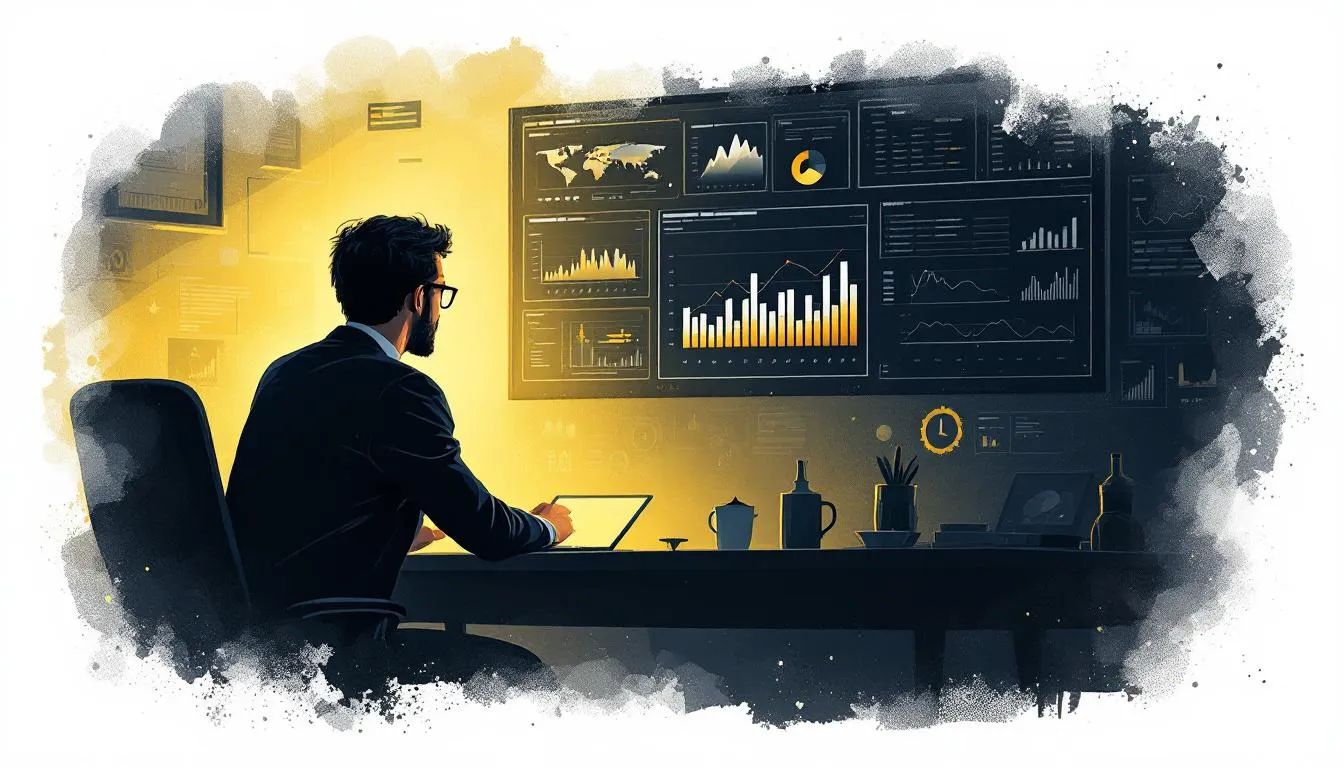
Data analytics plays a critical role in strengthening internal controls by:
-
Providing insights that help detect anomalies and prevent fraud.
-
Facilitating predictive analysis that allows organizations to foresee trends and tackle potential issues proactively.
-
Incorporating into IT testing to help detect security breaches and ensure compliance with regulatory standards.
Automating control testing through data analytics enhances the reliability and compliance of internal controls. Leveraging data analytics helps organizations reduce human error, improve operational efficiency, and ensure the consistent effectiveness of internal controls. This proactive approach helps prevent fraud and safeguard the company’s financial information.
Ensuring Compliance with SOX and Other Regulations
Ensuring compliance with the Sarbanes-Oxley Act (SOX) and other regulations is crucial for maintaining effective internal controls. SOX compliance aims to enhance the accuracy and reliability of corporate financial disclosures to restore public trust. The act mandates that financial statement signers, such as CEOs and CFOs, take personal responsibility for the accuracy of reports.
The Securities and Exchange Commission (SEC) enforces SOX compliance to promote transparency and accountability in financial reporting. SOX has also led to the establishment of independent audit committees in public companies to improve governance and accountability. Effective segregation of duties is crucial to prevent fraud and ensure a sound control environment.
Regular training ensures that employees are up-to-date with the latest compliance regulations and internal control procedures, safeguarding the company from risks. External auditors play a key role in assessing and ensuring the effectiveness of internal controls, further enhancing compliance with regulatory standards.
Contact CFO Strategies Today!
At CFO Strategies, our mission is to help business owners strengthen their internal control systems, ensuring they are designed to protect their business’s interests effectively. We focus on creating processes that provide accuracy, transparency, and accountability across all financial operations.
By partnering with us, you can dedicate your time and energy to growing your business, confident that your financial systems and controls are both robust and reliable. Our team works closely with you to identify risks, implement best practices, and maintain compliance with industry standards.
Contact us today to discover how CFO Strategies can support your business’s financial health and stability. With our guidance, you can make informed decisions, safeguard your assets, and drive sustainable growth.
Summary
In summary, weak internal controls can pose significant risks to a business’s financial health, leading to financial misstatements, operational inefficiencies, and reputational harm. Understanding the common causes of internal control failures and implementing effective risk management strategies is essential for maintaining strong internal controls.
By leveraging technology, ongoing training, and data analytics, organizations can strengthen their internal control systems and ensure compliance with regulations like SOX. Proactive management of internal controls is crucial for safeguarding the company’s financial health and ensuring long-term stability.
Frequently Asked Questions
What are the risks of weak internal controls?
Weak internal controls can lead to increased risks of fraud, financial misstatements, and regulatory non-compliance, ultimately jeopardizing an organization’s overall stability and effectiveness.
What are the impacts of weak internal controls?
Weak internal controls can significantly undermine a business’s financial health, resulting in financial misstatements, operational inefficiencies, and damage to its reputation. Thus, strengthening these controls is essential for safeguarding organizational integrity.
What are common causes of internal control failures?
Common causes of internal control failures include inadequate access controls, ineffective segregation of duties, overburdened accounting teams, and insufficient employee training. Addressing these issues is essential for enhancing the effectiveness of internal controls.
What are material weaknesses?
Material weaknesses refer to significant deficiencies in internal controls that could reasonably lead to a material misstatement in financial statements, affecting the reliability of financial reporting.
How can technology strengthen internal controls?
Technology strengthens internal controls by automating processes, increasing efficiency, minimizing human errors, and creating robust audit trails. This integration leads to more reliable and effective control systems.
