


Thu Apr 24, 2025 | Alan Lefkowitz | Financial Controller Services
Effective Techniques for Preventing Cost Overruns in Construction Projects with a Financial Controller
Wondering how to prevent cost overruns in construction projects with a financial controller? This article covers essential strategies, including setting realistic budgets, monitoring expenses, and leveraging financial tracking tools—all aimed at preventing cost overruns in construction projects with a financial controller—to ensure your projects stay on track.
Key Takeaways
-
Effective financial management in construction hinges on realistic budgeting, consistent expense tracking, and continuous improvement in financial practices.
-
Utilizing historical data and real-time analytics enhances cost estimation accuracy, cash flow management, and allows for proactive adjustments to budgetary discrepancies.
-
Integrating procurement with project management and providing robust training for project managers are essential strategies for maintaining financial control and preventing cost overruns.
The Role of a Financial Controller in Construction Projects
Effective financial management is crucial for maintaining the profitability and health of construction projects. Maintaining financial control boosts profitability and operational efficiency in construction projects. Key strategies to achieve financial control include setting realistic budgets, tracking costs, and using project management software, leading to the conclusion achieving financial control.
Common causes of construction project cost overruns include poor budget planning and unexpected changes, which can lead to a budget overrun. Proactive steps to ensure financial stability include improving procurement processes and refining internal controls.
A commitment to continuous improvement ensures effective financial control. Mastering financial management is a necessity for successful construction projects.
Defining Responsibilities
Key components of effective financial control in construction projects include budget creation, expense tracking, and financial reporting. The financial controller is responsible for managing financial practices, tracking expenses, and providing detailed financial reports to stakeholders.
Detailed records of all expenses prevent financial chaos, ensure cost accountability, and are crucial for audits and reporting.
Ensuring Accurate Cost Estimates
Utilizing historical data is critical for improving the accuracy of cost estimates in construction projects. Industry benchmarks and historical data from past projects should be leveraged to create accurate project budgets. Advanced estimation techniques can mitigate inaccuracies from fluctuating material costs and labor requirements.
Comparing costs with similar industry projects helps establish realistic cost expectations.
Monitoring Cash Flow
Planning for contingencies and setting clear processes for managing change during the planning phase helps prevent cost overruns. Budget issues in construction projects can result in project delays to the project schedule. This can push back completion dates and may lead to potential penalties.
Creating a Realistic Project Budget
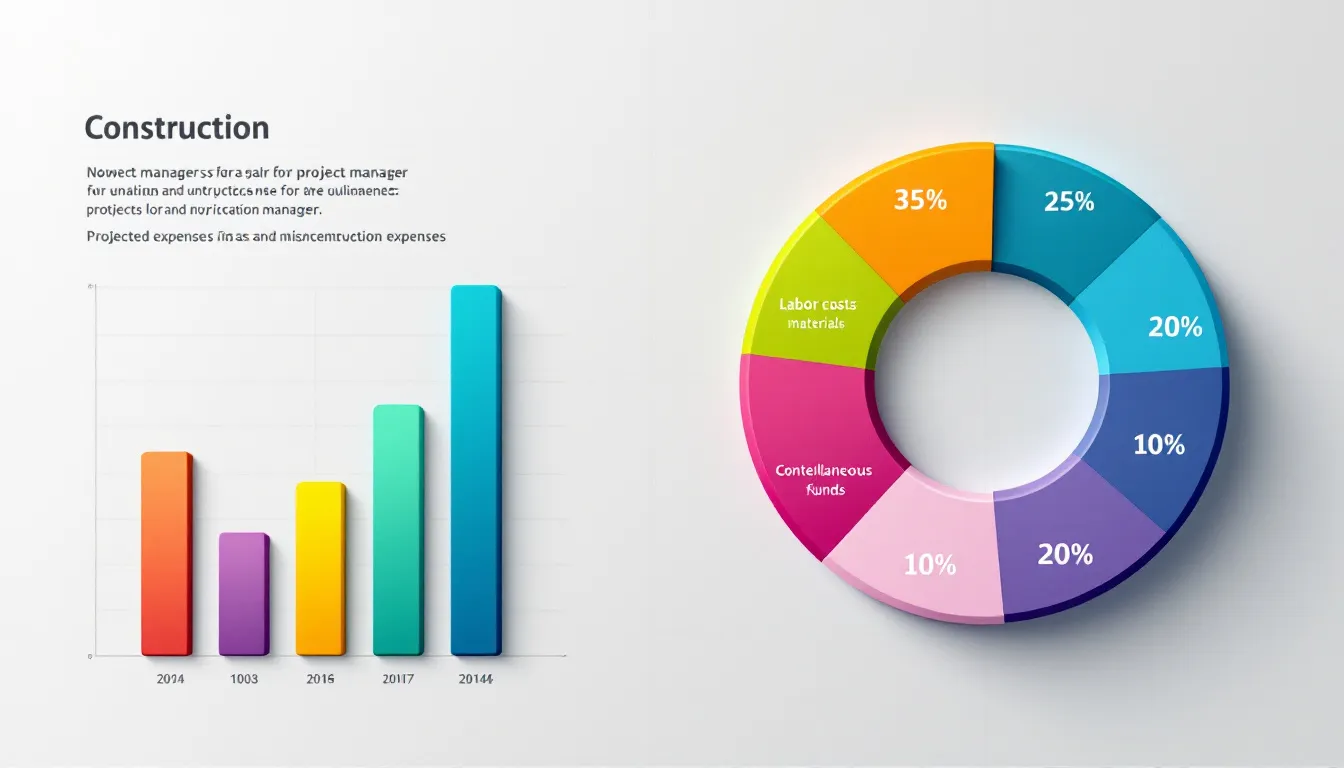
A realistic budget serves as a foundational guide throughout the entire construction project. Careful planning and preparation for contingencies are required to manage construction costs and stay within budget. Accurate cost forecasting enhances financial predictability, leading to improved financial decision-making.
An effective budget needs strong foundations. This includes risk mitigation, clear communication, and regular adjustments. Long-term partnerships with suppliers can lead to better pricing, directly impacting the project’s budget. Adjusting the budget immediately when unforeseen events arise can prevent long-term financial damage.
Comprehensive Budget Planning
Enhancing financial literacy among project managers enables informed decisions regarding project budgeting and expenditure. Financial literacy enables project managers to make informed decisions about budgets and resource allocation.
Accounting for potential financial risks such as labor shortages during the budgeting process is crucial. Effective budgeting requires thorough planning to anticipate all potential expenses and avoid cost overruns.
Incorporating Contingency Funds
A contingency fund in budgeting absorbs unforeseen expenses and maintains budget stability. Typically, contingency funds range from 5% to 10% of the total budget, depending on the project’s complexity.
A solid risk management plan includes a contingency budget to address unexpected costs associated with identified risks. Setting aside a contingency budget and allowing for adaptable project design can incorporate flexibility into project planning.
Utilizing Historical Data
Historical data helps anticipate future expenses and maintain project budgets through effective cost forecasting. Reliable cost databases and estimating tools enhance the precision of project budgets, allowing for better financial planning. Accurate cost estimates are crucial as they establish the project’s budget and financial landscape, preventing cost overruns.
Documenting lessons learned from excess spending aids in improving future project planning and cost estimation.
Regular Financial Monitoring and Reporting
Regular cost monitoring prevents budget overruns, as unchecked expenditures can render a budget irrelevant. Utilizing project management software facilitates real-time financial tracking, allowing for proactive adjustments to budget discrepancies. Thorough audits of financial processes identify inefficiencies and ensure compliance with budgetary standards.
Training in financial management equips project managers to effectively oversee budgets and minimize cost overruns. Implementing these practices helps construction firms maintain financial control and ensure project success.
Implementing Financial Tracking Software
Project management software enhances financial tracking with real-time financial oversight. Project management software offers real-time visibility into finances, facilitating informed decision-making. Manual financial tracking is inefficient due to its susceptibility to errors and hindrance of timely decisions.
Construction accounting solutions provide tools for agile and responsive management through real-time cost tracking and budgeting.
Conducting Regular Audits
Regular financial audits ensure alignment with the budget, uncover inefficiencies, and improve financial processes. Audits in construction project finances ensure budget alignment and uncover discrepancies. Regular audits help prevent costly overruns in construction projects.
Strengthening internal controls can be achieved by standardizing cash flow management, expense approvals, and cost tracking.
Adjusting Budgets as Needed
Adjusting budgets based on real-time financial data prevents long-term financial issues. Timely budget adjustments significantly reduce the chances of overruns.
Detailed financial reports enhance accountability and allow stakeholders to track budget adherence throughout the project.
Effective Procurement and Subcontractor Management

Improving procurement practices and integrating them with project management helps mitigate cost overruns. Selecting subcontractors based solely on the lowest bid can lead to compromised quality, potential delays, and additional costs. Effective procurement and careful subcontractor management are critical to preventing cost overruns in construction projects.
Effective procurement processes reduce the likelihood of budget issues. Integrating procurement with project management helps construction firms maintain alignment with financial objectives and ensure budget adherence.
Strategic Supplier Negotiations
Strong relationships with suppliers and contractors lead to better pricing and favorable payment terms. Proactive procurement strategies prevent future price hikes in construction. Negotiating fixed-price contracts manages financial impacts from market volatility.
Negotiating prices with suppliers and contractors reduces material costs and improves cash flow.
Evaluating Subcontractor Performance
Thorough performance evaluations of subcontractors reduce the risk of future cost escalations due to poor quality work. Evaluating subcontractor performance maintains project budget integrity and ensures timely completion. High-quality subcontractor work improves budget management, reducing the likelihood of cost overruns.
Regular performance evaluations help identify and address subcontractor issues before they escalate into budget problems.
Integrating Procurement with Project Management
Linking procurement with project management maintains alignment with financial objectives, ensuring budget adherence. Integrating procurement and project management is vital for effective cost control in construction projects.
This integration fosters better communication and coordination, resulting in more efficient resource allocation and reduced risk of cost overruns.
Risk Management and Contingency Planning
Effective risk management and contingency planning keep construction projects on schedule and within financial limits. Cost overruns in construction projects are often caused by unforeseen environmental conditions and material cost fluctuations. Design changes and project management oversights can also contribute to these overruns. Understanding cost overruns emphasizes the need for careful planning, effective risk management, and flexible project approaches.
Unexpected costs during construction can result from material price fluctuations, bad weather, and regulatory changes. Proactively identifying risks and developing contingency plans addresses potential delays and cost overruns.
Identifying Potential Risks
Risks in construction can be identified through brainstorming sessions, analyzing past data, and consulting experts. Regulatory challenges from compliance with various laws and standards can significantly affect project costs. Common financial risks like fluctuating material costs and labor shortages should be accounted for in project budgets.
Proactively identifying risks and developing contingency plans addresses potential delays. Proactive risk management prevents small issues from escalating into costly setbacks.
Developing a Risk Management Plan
Planning for contingencies and researching cost databases serve as a solid foundation for cost control in construction projects. Developing a comprehensive risk management plan involves identifying potential risks, assessing their impact, and creating mitigation strategies.
Preparing for Unforeseen Expenses
A contingency plan acts as a financial safety net for unforeseen events affecting the budget. Incorporating flexibility in project budgets and plans accommodates unexpected market changes or project challenges. Unforeseen events like natural disasters or pandemics can disrupt the supply chain and lead to increased costs.
Including a force majeure clause in construction contracts mitigates financial impacts from unforeseen events.
Enhancing Communication Among Project Teams
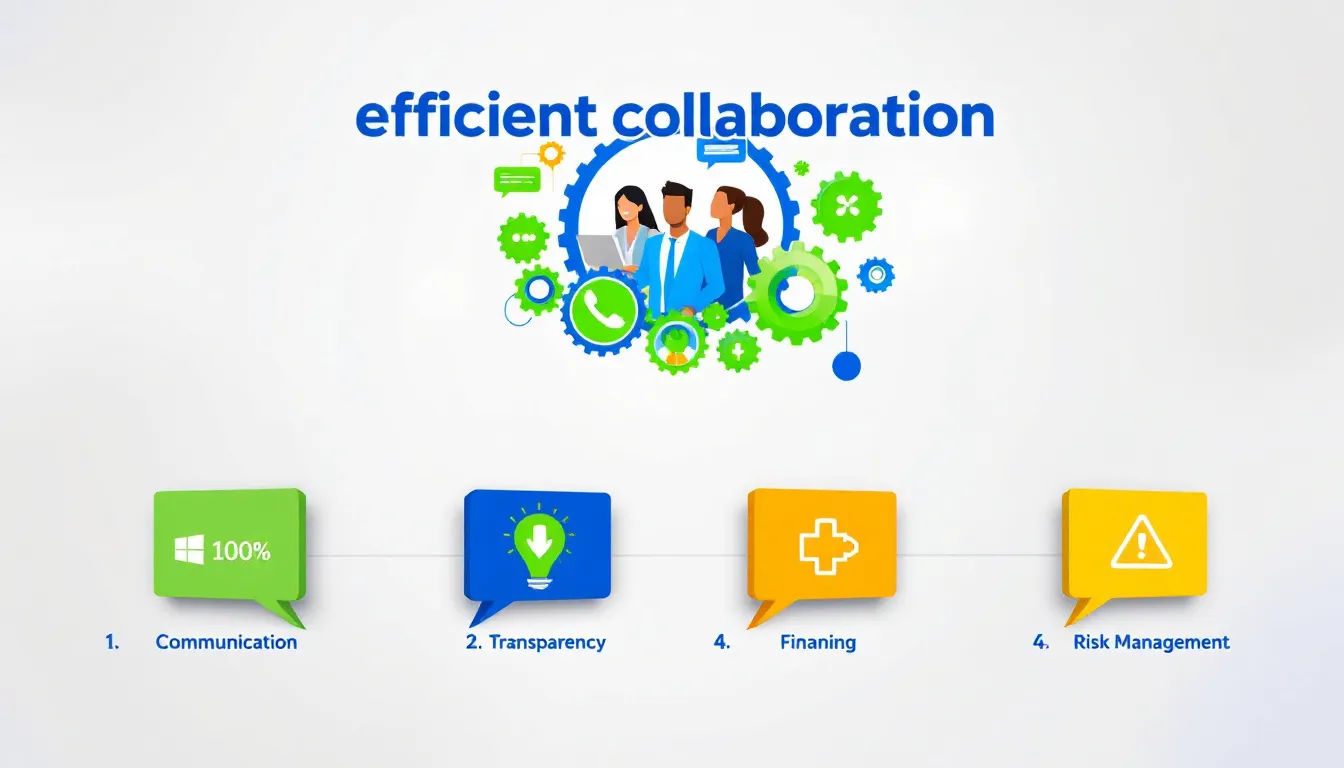
Transparent communication in construction projects prevents costly mistakes, delays, and disputes. Financial controllers oversee the accounting operations within construction firms, ensuring accurate financial reporting and compliance.
Specialized software tools facilitate better collaboration among stakeholders by centralizing financial data. Proper communication strategies significantly reduce misunderstandings, leading to better project outcomes and reduced costs.
Establishing Clear Communication Channels
Clear communication channels are vital for construction project success, minimizing misunderstandings and enhancing collaboration among teams. Effective communication channels significantly reduce misunderstandings among project participants.
A clear chain of command for communication ensures accurate relay of messages among stakeholders.
Regular Stakeholder Meetings
Frequent stakeholder meetings help maintain alignment on project progress and prevent miscommunication. Regular check-ins with clients, contractors, and subcontractors are crucial for effective communication.
These meetings ensure everyone is on the same page and address issues promptly.
Transparent Financial Reporting
Regular financial monitoring and reporting keep all parties informed about the project’s financial status and avoid potential cost overruns. Using project management software for real-time financial tracking enhances transparency and accountability in construction project finances.
Regular audits ensure project expenses align with the budget and provide an opportunity for corrective measures. Automated financial reporting reduces manual errors, enhances accuracy, and provides timely updates to all stakeholders.
Leveraging Technology for Financial Control
Technology streamlines financial management processes, enhancing visibility into project costs. Modern financial tools provide real-time insights, enabling construction firms to make informed decisions quickly.
Technology improves financial oversight in construction through real-time data access, enabling quicker, informed decision-making. Advanced technologies like IoT and cloud computing provide real-time insights for managing construction finances.
Utilizing Real-Time Data Analytics
Real-time data analytics in construction allows for immediate insights into financial conditions, enabling quick responses to any emerging issues. Continuous monitoring through real-time analytics helps maintain budgets by alerting managers to any overruns as they occur.
By using predictive analytics, construction firms can forecast profits more accurately, allowing for proactive operational adjustments. Real-time financial data enhances cash flow management by providing detailed visibility into both incoming and outgoing cash.
Automated reporting features in real-time analytics reduce the workload involved in generating financial reports, leading to fewer errors.
Implementing Automated Financial Reporting
Transparent financial reporting is essential to keep all parties informed about the project’s financial status and to facilitate better decision-making. Regular financial monitoring is critical to control project costs and prevent overruns. Implementing financial tracking software can significantly reduce manual errors and streamline the reporting process.
Adopting project management software facilitates real-time financial oversight and data analytics, enhancing reporting accuracy. Utilizing real-time data analytics helps monitor project costs continuously and improves overall financial reporting.
Conducting regular audits ensures that financial reports align with project budgets, allowing for timely adjustments as needed.
Training and Development for Project Managers
Training for project managers provides them with essential tools. These tools help in managing finances effectively and preventing budget overruns. Financial management training is crucial for construction professionals to tackle various financial challenges they may encounter. Focusing on training, cost forecasting, and contingency planning helps build financial preparedness in construction professionals.
Well-trained project managers contribute to improved financial results. This is particularly true for construction projects.
Financial Management Training Programs
Enrolling project managers in financial management training programs is crucial for effective cost control in construction projects. Continuous professional development ensures that project managers stay updated with the latest financial management practices and techniques. Promoting financial literacy among project managers enhances their ability to make sound financial decisions, ultimately leading to better project outcomes.
Continuous Professional Development
Project managers benefit from financial training programs that cover budgeting, forecasting, and financial analysis. These programs equip project managers with essential skills to manage project finances more effectively.
Continuous professional development is crucial for project managers to remain informed about the latest best practices in the construction industry. Ongoing training helps improve project efficiency and financial control, leading to successful project outcomes.
Promoting Financial Literacy
Enhancing financial literacy among project managers directly contributes to improved cost efficiency on projects. Increased financial literacy among project managers supports more strategic budget management.
Contact CFO Strategies LLC Today!
Our team of senior professionals has extensive experience providing Chief Financial Officer, financial controller, and financial reporting services to businesses of all sizes. We have worked in a variety of industries and sectors, including construction, real estate/property management, architecture/engineering, manufacturing, transportation, non-profit, and financial services.
Why Companies Choose CFO Strategies
Running a business takes time. We help maintain an accurate picture of your company’s financials and serve as a trusted financial advisor so you can make business decisions to keep your company moving in the right direction.
Because every business needs something different, we tailor our services to meet your needs in a cost-effective way.
Summary
In conclusion, mastering financial management is crucial for the success of construction projects. By creating realistic project budgets, utilizing historical data, continuously monitoring finances, managing procurement effectively, and leveraging technology, construction firms can significantly reduce the risk of cost overruns. Enhancing communication among project teams and providing continuous training for project managers further ensures financial stability and project success.
Implementing these strategies will not only help in avoiding budget overruns but also in achieving operational efficiency and profitability. Take proactive steps today to ensure your construction projects remain on track and within budget. Contact CFO Strategies LLC to learn more about how our financial expertise can support your business goals.
Frequently Asked Questions
What are 3 ways a project manager controls costs?
A project manager controls costs by frequently reviewing the budget, communicating effectively with team members, and managing project scope to prevent scope creep. These practices ensure that financial resources are utilized efficiently and project objectives are met within the budget.
What are the main responsibilities of a financial controller in a construction project?
The primary responsibilities of a financial controller in a construction project involve managing financial practices, tracking expenses, and delivering detailed financial reports to stakeholders. This ensures financial integrity and informed decision-making throughout the project.
Why is it important to incorporate contingency funds in a construction project budget?
Incorporating contingency funds in a construction project budget is crucial to absorb unforeseen expenses and ensure budget stability, typically set at 5% to 10% of the total budget. This practice safeguards the project against financial overruns and unexpected challenges.
How can project management software benefit construction projects?
Utilizing project management software in construction projects can significantly enhance financial tracking, enabling real-time oversight and informed decision-making while minimizing errors. Consequently, this leads to greater efficiency and improved project outcomes.
What are some common risks that can lead to cost overruns in construction projects?
Cost overruns in construction projects often stem from unforeseen environmental conditions, fluctuations in material costs, design changes, and inadequate project management. Addressing these risks proactively can help mitigate potential financial impacts.